If you’re asking where do I register my dog in Freeborn County, Minnesota for my service dog or emotional support dog, the most important thing to know is this: a dog license in Freeborn County, Minnesota is usually handled by the city (or local jurisdiction) where you live—not by a single county-wide “service dog registration” office.
This page explains where to register a dog in Freeborn County, Minnesota, what offices typically issue dog licenses, what you’ll need (especially rabies vaccination proof), and how licensing is different from a dog’s status as a service dog or an emotional support animal (ESA).
Where to Register or License Your Dog in Freeborn County, Minnesota
Because licensing is commonly managed at the city level, start with the office for the city where your dog lives. If you are in an unincorporated area, you may need to contact county law enforcement/animal control partners or the nearest city office to confirm the correct licensing path. The examples below are official local offices that residents commonly contact for animal control dog license Freeborn County, Minnesota questions and related rabies enforcement.
City of Albert Lea — City Finance Department (Dog & Cat Licensing)
If you live within Albert Lea city limits, this is the primary place to purchase/renew a city pet license (often renewed on a multi-year cycle) and to ask questions about local licensing rules and fees.
City of Albert Lea — Animal Control (Albert Lea Police Department)
Contact animal control for nuisance barking, lost/found pets, or enforcement questions that may come up during the licensing process.
Freeborn County Sheriff’s Office (County Contact / Enforcement Questions)
If you’re outside a city’s animal control coverage (or you’re not sure which office applies), this is a reliable starting point to ask who enforces local dog/rabies rules in your area of Freeborn County.
Humane Society of Freeborn County (Shelter / Partnered Local Animal Control Support)
In parts of Freeborn County, local agencies may partner with the Humane Society for shelter operations and related animal control services. They can be helpful for lost/found pet guidance and to confirm which local office issues licenses for your address.
Overview of Dog Licensing in Freeborn County, Minnesota
What a dog license is (and why it exists)
A dog license is a local registration record (often paired with a tag) that helps animal control and shelters identify your dog and contact you if your dog is lost, involved in a complaint, or needs rabies-related follow-up. In practice, a license is often part of a broader local program that supports animal control operations, sheltering, and public health goals.
Is there one “Freeborn County dog registration” office?
Typically, no. In Minnesota, dog identification and rabies-control programs are commonly implemented locally, and state law allows local government units to impose identification and rabies control programs that may be more restrictive than baseline state requirements. That’s why residents often discover that the answer to where to register a dog in Freeborn County, Minnesota depends on whether the dog lives inside a city’s limits and which local ordinance applies.
What licensing usually does (and does not) cover
- Owner contact information connected to the dog
- Proof of current rabies vaccination (often required to issue the license)
- Proof of spay/neuter (may affect fees)
- A local license tag or record used by animal control
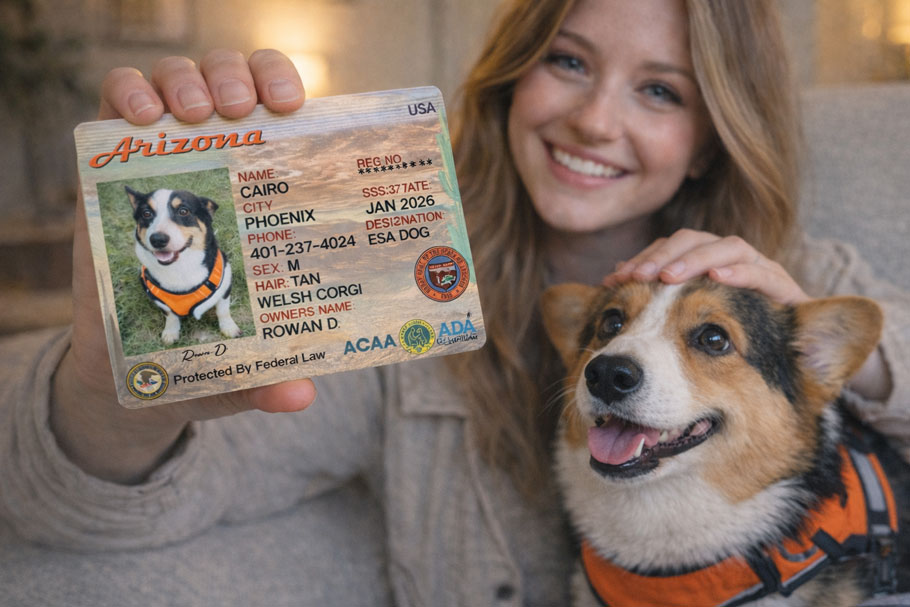
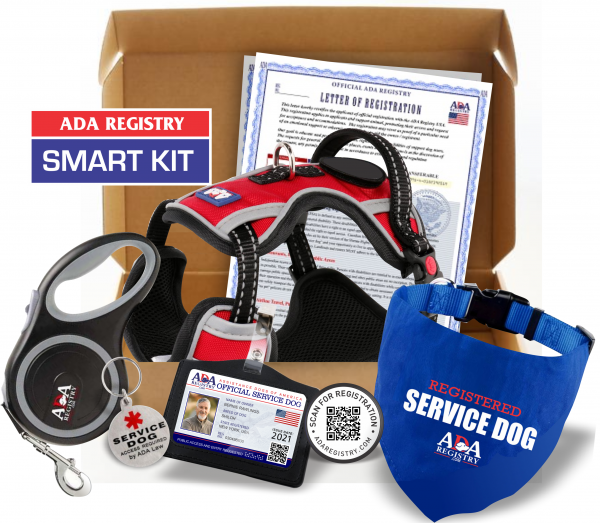
- Service dog certification or “service dog registration”
- Emotional support animal status documentation
- Training verification or public-access permission
- Vaccination itself (that comes from your veterinarian)
How Dog Licensing Works Locally in Freeborn County, Minnesota
Step 1: Confirm your jurisdiction (city limits vs. unincorporated county)
For most residents, the first step is identifying which local government issues the license for your address. If you live inside a city such as Albert Lea, licensing is commonly handled through a city department (often Finance, City Clerk, or a similar administrative office). If you live outside city limits, your township or county-level enforcement partners may direct you to the appropriate authority.
Step 2: Get your rabies vaccination documentation ready
Many local licensing programs require proof that your dog’s rabies vaccination is current before the city will issue a license. Keep a copy of the rabies certificate (or official veterinary documentation) in a safe place, and consider keeping a digital copy for quick submission if the office accepts it.
Step 3: Apply, pay the fee, and keep the tag/record current
Licensing usually involves submitting an application (or in-person request), providing vaccination proof, paying the licensing fee, and receiving a tag or confirmation. Renewal cycles vary by local ordinance—some communities license annually, while others renew on multi-year schedules. If you move to a different city within Freeborn County, you may need to re-license under the new city’s rules.
How rabies enforcement connects to licensing
Rabies concerns often come up after a bite incident or exposure report. Under Minnesota law, a dog that bites or otherwise exposes a person to rabies virus without an appropriate antirabies vaccination can trigger penalties and follow-up actions. Local governments can also run their own identification and rabies control programs. For everyday pet owners, the practical point is simple: keeping vaccination records current and keeping your dog licensed reduces problems if your dog is lost, involved in a complaint, or needs documentation quickly.
Service Dog Laws in Freeborn County, Minnesota
A service dog is not created by licensing
A dog license is about local identification and rabies compliance. A service dog, by contrast, is defined by its function: it is trained to perform tasks for a person with a disability. That legal status does not come from a city hall registration, a vest, an ID card, or an online certificate.
Do you need to “register” a service dog in Freeborn County?
There is no single official county registry that you must use to “turn your dog into” a service dog. However, you may still need a regular dog license in Freeborn County, Minnesota depending on your city’s ordinance—because licensing is separate from service dog status.
What businesses/public places may ask (and what they typically can’t)
Service dog rules are mainly governed by disability law (not dog-licensing offices). In many public-access situations, staff are typically limited to asking questions focused on whether the dog is required because of a disability and what task(s) the dog is trained to perform. A dog license, rabies documentation, and leash/control rules can still matter under local health and safety standards, especially in specific contexts (for example, certain facilities, housing providers, or local ordinances).
Practical advice for service dog handlers in Freeborn County
- License your dog if your city requires it—service dog status and licensing are separate.
- Keep rabies documentation current and accessible.
- Make sure your dog is under control and meets applicable local animal control rules.
- If you move within Freeborn County, re-check the licensing ordinance in your new city.
Emotional Support Animal Rules in Freeborn County, Minnesota
An ESA is not a service dog
An emotional support animal (ESA) can be part of someone’s disability-related treatment plan, but an ESA is not the same as a service dog trained to perform specific tasks. This difference matters because ESAs generally do not have the same public-access rights as service dogs.
Do ESAs need a special dog license?
No. ESAs generally follow the same local pet licensing rules as other dogs. If your city requires a license, your ESA will typically need the standard local license and current rabies documentation. If you are trying to figure out where to register a dog in Freeborn County, Minnesota for an ESA, the correct answer is usually the same office you would use for any dog—your city’s licensing office (often City Hall/Finance/Clerk).
Housing vs. public places
ESA issues most commonly arise in housing contexts. While housing rules can provide certain accommodations for people with disabilities, those rules are separate from city dog licensing. Even with an accommodation, you may still need to follow local animal control requirements (licensing, vaccinations, leash rules, nuisance rules).